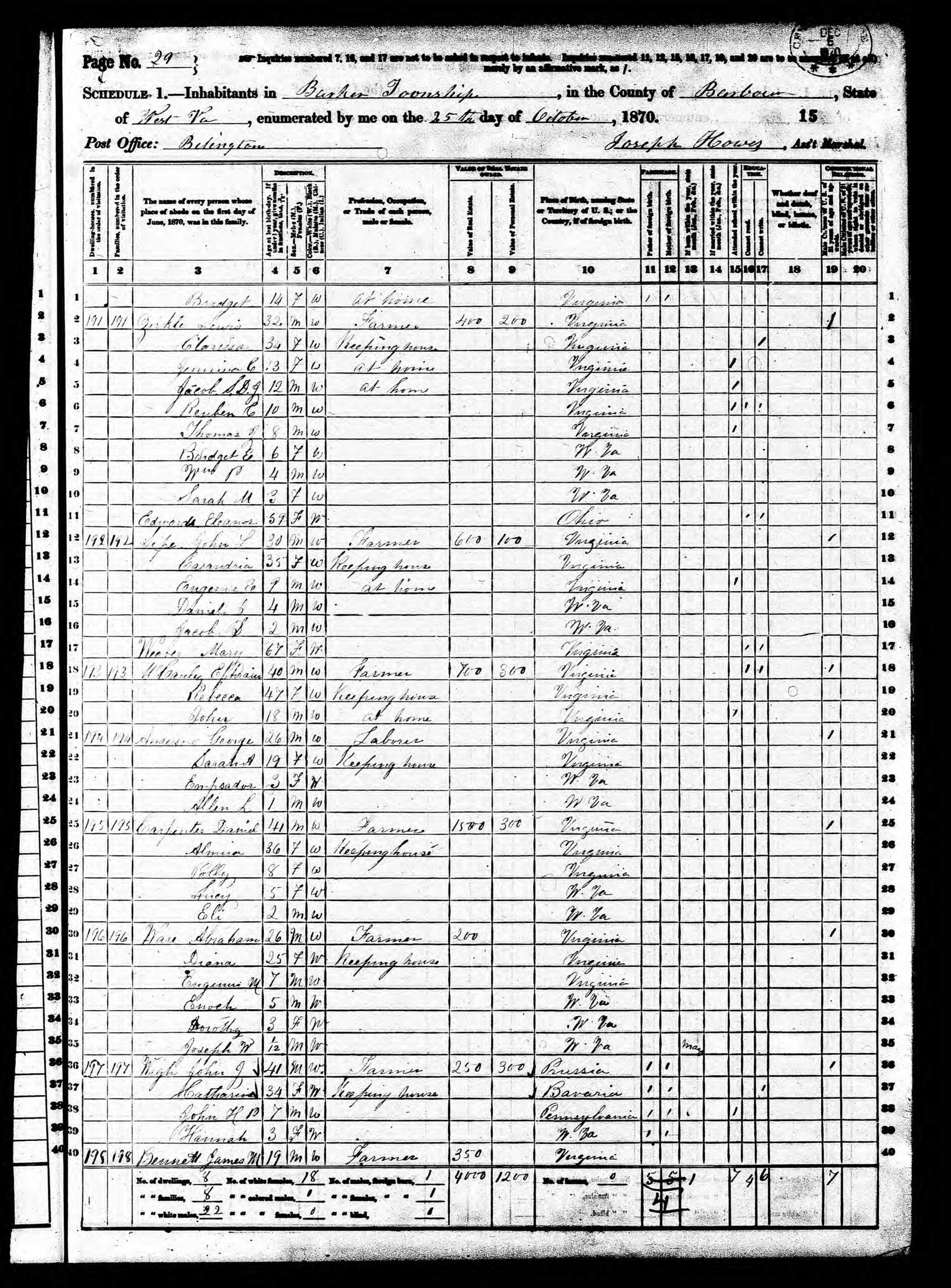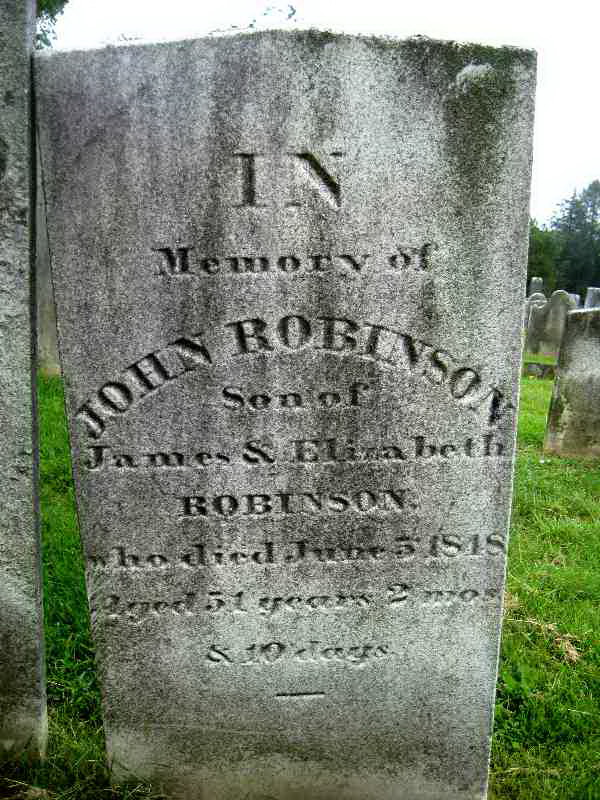
Public websites such as Ancestry.com and Familysearch.com have become valuable tools for genealogical research. They allow you to connect with other users who are researching the same ancestors and compare and collect additional information to your own record. But with such ease of use, it is easy for mistakes to occur and to proliferate.
I’ll give you a perfect example. This comes from some research I’m currently doing on a William CONDON (1732-1778). The Ancestry trees out there identified his wife as Sarah CLARY, daughter of Joseph CLARY (1705-1780) and Sarah GUNN (1710-1750), both of Massachusetts. Among the few records available for Sarah Clary was a birth record found in the “Massachussetts, US Town and Vital Records, 1620-1988” database. In adding this record to this individual, Ancestry.com identifies the birth date for Sarah as 19 May 1732. This date is found on most of the family trees that include this Sarah Clary.
But, in this case, the original document has been scanned and is available to review. If you click on it, you can find the text which reads: “Sarah Daughter of the above Joseph and Sarah was born and died on May 19, 1732“. These source documents are machine-read after scanning, and relevant information is extracted by the software. This is a perfect example of where machines and software can fail. The software read the above line, and identified 19 May 1732 as the date of birth for Sarah Clary, which is correct. But, as this particular child also died on that same day, she is genealogically irrelevant, because she didn’t lived long enough to produce offspring. How can this possibly be the Sarah who grew up to marry William Condon?
The original document has additional entries. It lists three sons born to the couple between 1733 and 1737, before including an entry on another daughter: “Sarah their daughter was born March 24, 1740”. The record, in its entirety, shows us a more accurate picture. The couple lost their first daughter, and gave their second daughter the same name. It is this second daughter named Sarah who grows to adulthood and marries William Condon, rather than the first daughter who survived no more than a few hours of life.
Machine-reads and software can only be trusted to offer hints, at best. The best research is done by experience human eyes and minds. Software can, and apparently does, easily overlook a supplemental phrase like “and died”, while this same phrase can direct an experienced researcher onto the path to a more accurate telling of the past.